
Categories
Newsletter

My Favorite Anti-Aging Skincare Routine for Glowing, Youthful Skin

If you’re searching for an effective anti-aging skincare routine that focuses on cleansing, exfoliation, and deep hydration, you’re in the right place. Over the years, I’ve refined a routine that delivers smoother texture, brighter skin, and that healthy glow we’re all chasing — without harsh products or complicated steps.

This routine is all about smart exfoliation, barrier-friendly hydration, and consistency. Let’s break it down.


Why an Anti-Aging Skincare Routine Matters

As we age, skin cell turnover slows, hydration decreases, and environmental stressors take a bigger toll. A results-driven anti-aging routine helps:

  • Improve skin texture and tone
  • Reduce the appearance of fine lines and wrinkles
  • Boost hydration and elasticity
  • Support healthy skin renewal

The key? Starting with the right cleanser and building from there.


Step 1: Cleanse + Resurface for Anti-Aging BenefitsDermalogica Dynamic Skin Resurfacing Cleanser (My Go-To)

One of the most important steps in any anti-aging skincare routine is cleansing — and not all cleansers are created equal.

My absolute favorite is the
Dermalogica Dynamic Skin Resurfacing Cleanser
(affiliate/sponsored link)
https://amzn.to/4sZz8lx

This cleanser is a standout because it does more than just clean the skin. It gently exfoliates using advanced resurfacing technology, helping to smooth texture and brighten dull, aging skin without stripping moisture.

Why I love it:

  • Gently exfoliates while cleansing
  • Helps improve skin smoothness and radiance
  • Preps skin for serums and treatments
  • Ideal for aging, dull, or uneven skin

Using an exfoliating cleanser like this helps remove dead skin cells that can make fine lines look more noticeable.


Step 2: Hydration — The Real Anti-Aging Power Move

Hydration is where anti-aging magic happens. Well-hydrated skin looks plumper, smoother, and more radiant — which naturally softens the look of fine lines.

After cleansing, I go straight into hydration to replenish moisture and support the skin barrier.

My favorite hydrating moisturizer must-have
(affiliate/sponsored link)
https://amzn.to/4qHY9QJ

How I layer hydration:

  • A hydrating serum to draw moisture into the skin https://amzn.to/3ZDkv9O
  • A moisturizer to seal everything in
  • Optional facial oil for extra nourishment if skin feels dry

Hydration improves elasticity, supports skin renewal, and keeps the skin looking youthful and healthy.


Step 3: Daily SPF for Long-Term Anti-Aging
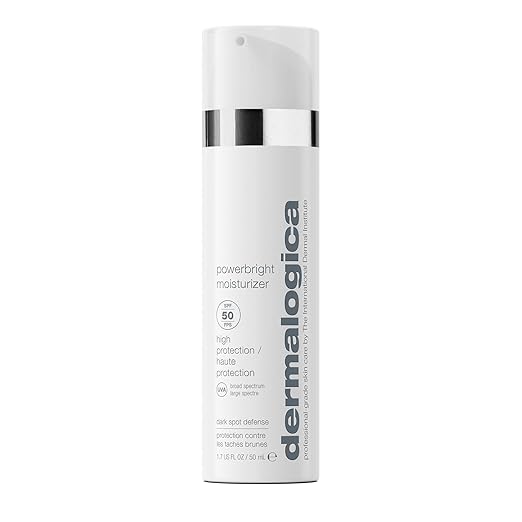
Sun exposure is the leading cause of premature aging. Even the best skincare routine won’t work without daily protection.

My favorite everyday sunscreen
(affiliate/sponsored link)
https://amzn.to/3NH3Csf

Daily SPF benefits:

  • Prevents fine lines and wrinkles
  • Protects collagen and elastin
  • Helps prevent dark spots and uneven tone

Use a broad-spectrum SPF 30 or higher every single day — rain or shine.


Step 4: Nighttime Repair & Renewal

Nighttime is when your skin goes into repair mode. This is when I focus on nourishing and strengthening the skin.
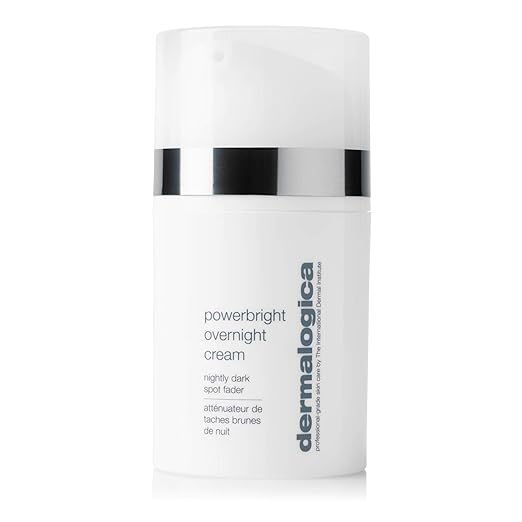
At night, I prioritize:

  • Targeted treatments (like retinol or peptides, as tolerated)
  • A rich night cream to replenish moisture  https://amzn.to/4tj6uft
  • Gentle hydration to support overnight repair

A Budget-Friendly Way to Get Started

Starting a new anti-aging skincare routine can be costly, especially when purchasing full-size products individually. If you’re new to a routine or testing what works best for your skin, starter kits and smaller sets can be a more economical option.
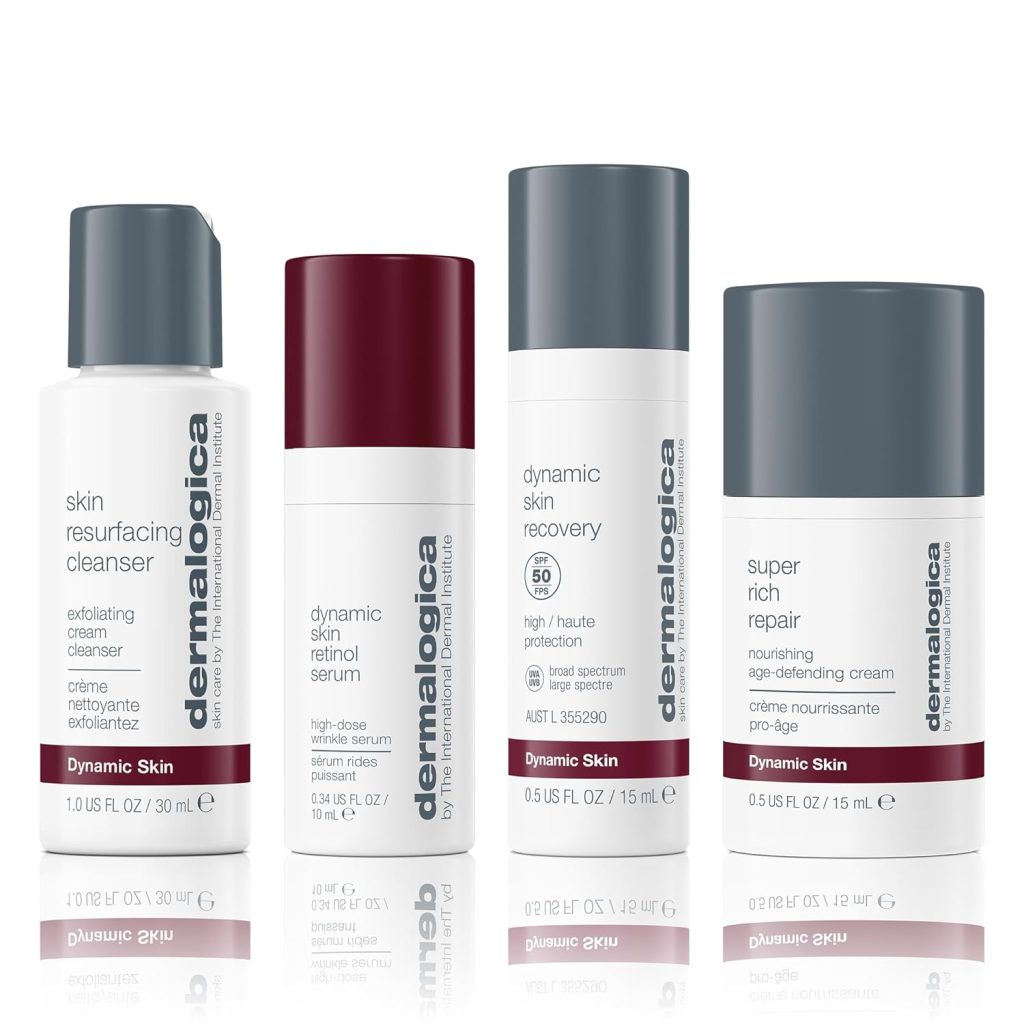
These kits allow you to try multiple products together at a lower cost and help establish a consistent routine without a large upfront investment.

Anti-aging skincare starter kit (affiliate link)
https://amzn.to/3NPNwfT

As an Amazon Associate, I may earn from qualifying purchases. This does not affect the price you pay.


Categories
Newsletter Skin and Health

Red Lights, Wrinkles & “Why Does That Hurt?” Moments

Aches & Pains: When Did This Start?

Wrinkles: The Plot Twist No One Asked For


And then there’s skin. Fine lines. That “tired even when I’m not” look. Wrinkles aren’t a bad thing. They tell a story but that doesn’t mean I’m not interested in keeping my skin healthy and glowing.

This is where things started to get interesting……..


How I Discovered Red Light Therapy (and a Facial Too)

Why Red Light Therapy Caught My Attention

What I’ve Noticed So Far

Nothing dramatic just small improvements that quietly add up.

My Favorite “Aging Gracefully” Tools Right Now

Final Thought


Discovering red light therapy and realizing it could support both how my body and my skin feel reminded me that wellness doesn’t have to be complicated or extreme.

Sometimes it’s just about staying curious, trying something new, and committing to taking care of yourself at every stage.
Because if we’re collecting lines, stories, and experiences anyway, we might as well feel good while doing it.


To save you some time (and late-night Googling), here are a few of my favorite affordable red light therapy finds.

What I’m Loving Right Now

Categories
Mental Health Newsletter

How the Holiday Season Affects Our Mood as We Age


And Ways to Stay Positive Through It

The holidays come wrapped in memories, traditions, and expectations—some joyful, some bittersweet. As we move through different stages of life, our emotional experience of the season naturally changes. Understanding why can help us navigate the holidays with more compassion for ourselves and others.


How Mood Shifts With Age

Evolving Social Dynamics

When we’re young, the holidays often mean large gatherings, excitement, and long-standing family traditions. As we age, those dynamics shift—children grow up, families move, loved ones pass on, and gatherings may become smaller. Even when life is going well, these changes can stir feelings of nostalgia, loss, or loneliness.


A Time of Reflection

The end of the year naturally invites reflection—where we’ve been, what’s changed, and who we miss. While this can bring comfort and gratitude, it can also amplify sadness or stress during a season that often emphasizes happiness and celebration.


Biological Factors

Colder weather, shorter days, and age-related changes in energy levels can influence mood more than we realize. Reduced daylight and disrupted routines may increase fatigue, emotional sensitivity, or feelings of low motivation.


Changing Holiday Expectations

As priorities evolve, many people crave simpler, quieter holidays focused more on meaning and connection than hustle and pressure. While this shift can feel freeing, it can also highlight how different the season looks compared to years past.


The Emotional Contrast

The holidays tend to magnify whatever we’re already feeling. When life feels steady, the season can feel magical. When we’re lonely, stressed, or grieving, that contrast can feel especially heavy.


Staying Positive When Feeling Lonely or Isolated

If the season feels heavier than usual, these practical and gentle strategies can help support your mood:


1. Create New Traditions

If old traditions no longer fit your life, create ones that reflect who you are now.

Ideas include:

  • A yearly holiday movie night
  • Treating yourself to a special meal
  • Volunteering for a cause that matters to you

New traditions can restore a sense of anticipation and purpose.


2. Reach Out—Even in Small Ways

Connection doesn’t have to be big or formal.

  • Call or text someone you trust
  • Attend a local holiday event
  • Join a small group at a library, senior center, or community organization

Even brief interactions can lift your mood and remind you that you’re not alone.


3. Get Morning Light & Move Daily

Light and movement are powerful, natural mood boosters.

  • Sit near a sunny window
  • Take a short morning walk
  • Stretch for 10 minutes

These small habits help regulate mood, energy, and sleep.


4. Limit Social Media Comparisons

Holiday posts often show highlight reels—not reality. If scrolling leaves you feeling discouraged or “less than,” consider reducing screen time and focusing on activities that genuinely nourish you.


5. Practice Small Acts of Joy

Lean into simple comforts:

  • Music you love
  • Warm lights or candles
  • Crafts, baking, or cooking
  • Holiday shows or nostalgic movies

Small rituals can provide emotional grounding and comfort.


6. Write a Gratitude or Memory List

Reflecting on meaningful moments, small victories, or people who’ve touched your life can gently shift perspective and support emotional balance.


7. Consider Volunteering

Helping others is one of the most research-backed ways to ease loneliness and boost emotional well-being. Food banks, pet shelters, and community drives often need extra help during the holidays.


8. Give Yourself Permission to Feel What You Feel

The holidays don’t need to be perfect. Letting go of pressure and allowing your emotions to exist—without judgment—often brings relief on its own.


A Final Thought

The holiday season changes as we do. It may look different than it once did, but different doesn’t have to mean less meaningful. With awareness, intention, and a few supportive habits, it’s possible to create a season that brings comfort, connection, and light—even during challenging times.

Categories
Mental Health Newsletter

Why Pets Are Great for Empty Nesters

  • A Companion-Focused Look at Life After the Kids Move Out *

As children grow and move into their own lives, the home naturally becomes quieter. This transition can bring pride and excitement, but it can also create emotional gaps. For many empty nesters, welcoming a pet becomes a meaningful way to bring connection, purpose, and joy back into daily life.


Companionship That Fills the Quiet

Pets provide a steady, comforting presence. Their affection and daily routines help ease feelings of loneliness and make the house feel lively and warm again. Even simple moments—like being greeted at the door—can make a big emotional difference.


A Renewed Sense of Purpose

Caring for an animal brings structure to each day, from feeding and walks to grooming and cuddles. These small but meaningful responsibilities create routine and restore a sense of being needed, which can be especially important during this stage of life.


Natural Boosts to Mental Well-Being

Pets are proven to reduce stress, anxiety, and depression. The act of petting an animal releases calming hormones and provides emotional grounding—something especially valuable during times of transition and adjustment.


Encouragement to Stay Active

Whether it’s walking a dog, playing with a cat, or interacting with smaller pets, animals naturally encourage movement throughout the day. This gentle activity supports better physical health and helps maintain energy levels.


Easy Pathways to Social Connection

Pets open doors to meeting new people—at parks, along walking routes, in pet-friendly stores, or within community groups. They spark conversations, shared stories, and opportunities to build new friendships and connections.


Joy, Humor, and Lightness at Home

Pets bring personality, playful moments, and unexpected laughter. Their presence adds warmth and fun to daily life, creating a positive emotional balance and reminding us to enjoy the simple moments.


A Home That Feels Full Again

Even without kids in the house, a pet creates a sense of fullness and purpose. Their routines make the home feel alive, and their loyalty provides a comforting anchor during this new chapter.


A Final Thought

Becoming an empty nester is a significant milestone—one that comes with both freedom and adjustment. Welcoming a pet can enrich this stage of life in deeply fulfilling ways, offering companionship, joy, and meaningful routine.